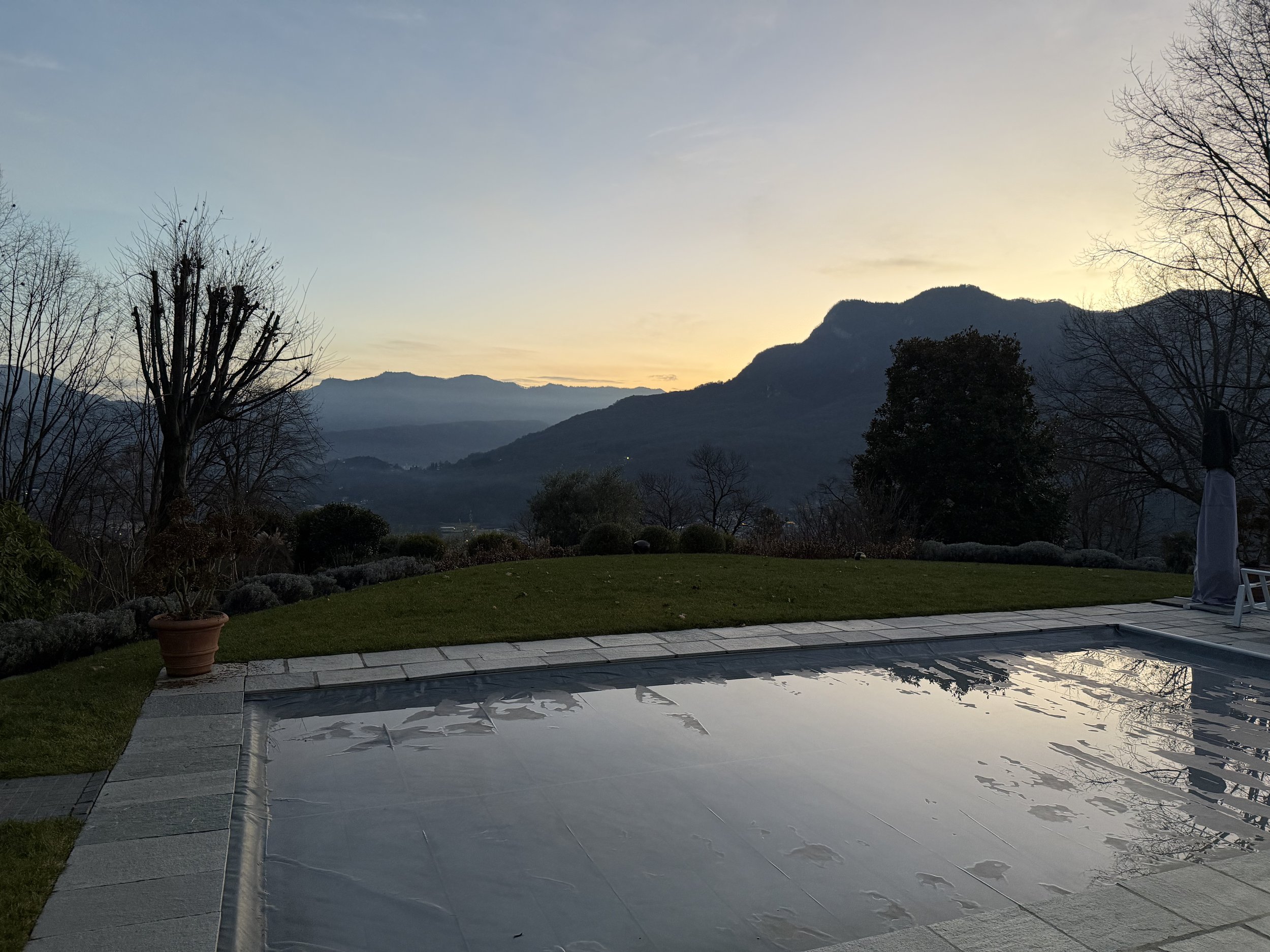
A Private Mountain Retreat
Quiet, Grounded, Intentional
The Property
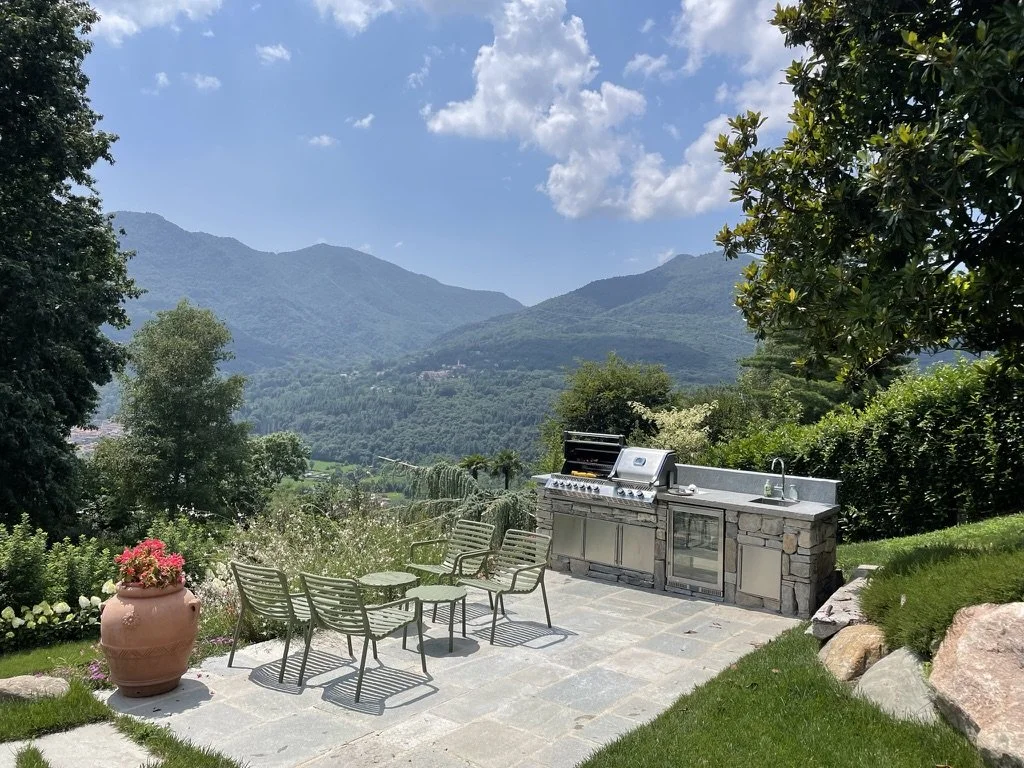
A privately owned mountain property shaped over time, with care for both the buildings and the land.
The property is composed of three independent houses set within gardens and a pine forest approach, arranged to support shared time as well as space apart. It is used slowly and intentionally — not as a destination to consume, but as a place to settle into.
Stays at the property tend to be defined less by a schedule and more by rhythm: light, weather, outdoor living, conversation, and rest. The setting offers privacy and separation, while the layout of the houses makes it easy to come together naturally.
The property is always offered as a whole property and shared selectively. The use of individual houses can be discussed upon request.
The Houses
The property is composed of three independent houses, each positioned to relate differently to the surrounding landscape. Together, they create a property that can be lived in collectively while still offering moments of retreat and quiet.
The houses are connected by gardens, paths, and outdoor spaces rather than formal boundaries. Movement between them feels natural and unforced, allowing daily life to shift easily between shared time and privacy.
-
Set slightly apart and looking directly into the pine forest, La Casa nel Bosco is defined by stillness and shade. The forest shapes both the light and the atmosphere, creating a sense of protection and withdrawal from the wider world. It is often chosen by those seeking deeper quiet, early mornings, or space to step back while remaining part of the life of the property.
La Casa nel Bosco offers three bedrooms, one bathroom, and a simple, recently updated kitchen. Its rooms face directly into the pine forest, creating a sense of quiet and enclosure. The house is well suited to those who value privacy and stillness within the wider life of the property.
-
Oriented toward open mountain views, La Casa della Vista feels outward-facing and expansive. Light, air, and landscape play a central role here, with interior spaces flowing easily into terraces and outdoor areas. Without being designated as such, it naturally becomes a place where people gather — drawn by view, openness, and movement rather than design.
La Casa della Vista includes four bedrooms, two bathrooms and a powder room accessible by the pool. The kitchen opens directly onto terraces and the pool area, allowing daily life to move easily between indoors and outdoors. Views across the mountains shape the atmosphere throughout the day, and the house naturally supports shared meals and gathering.
-
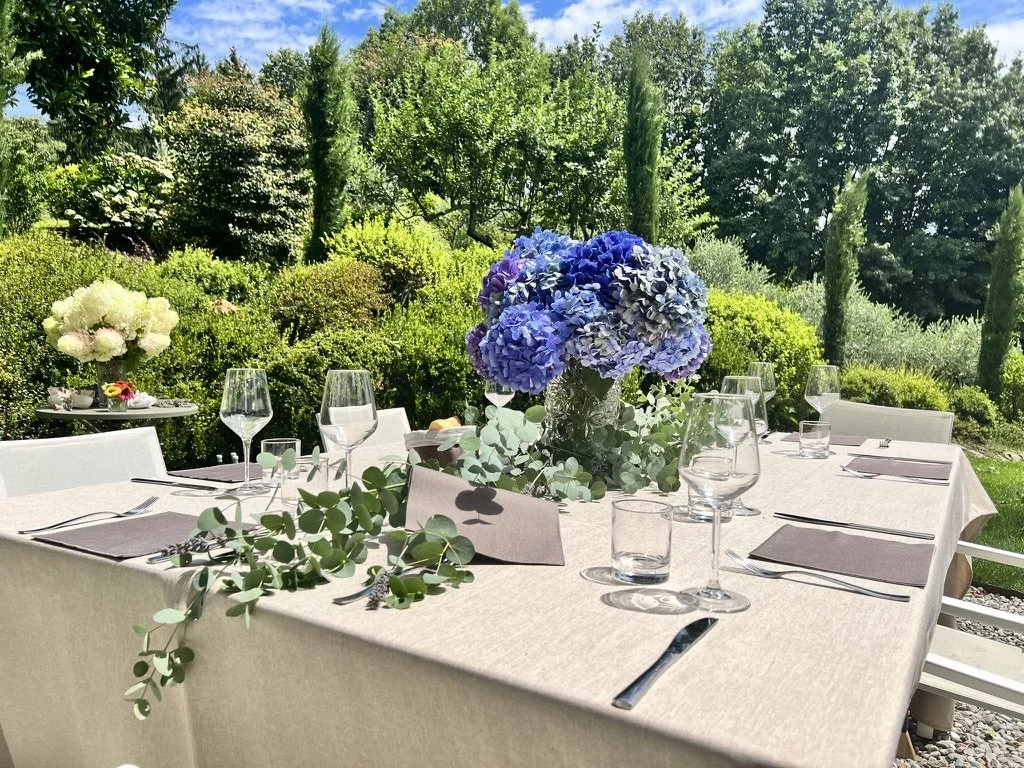
Currently under renovation, this house is built in local stone and grounded firmly in the landscape, La Casa di Pietra centres around shared living and outdoor meals. Its terraces and dining areas encourage long, unhurried evenings, particularly in warmer months. The house feels elemental and anchored, with a strong connection to the land and a rhythm shaped by everyday use.
La Casa di Pietra offers three bedrooms and two bathrooms, with a central kitchen that opens onto outdoor dining terraces. Built in local stone, the house feels grounded and communal, particularly in warmer months when much of daily life moves outside.
Outdoor Life & Gardens
Life at the property is shaped largely by what happens outside.
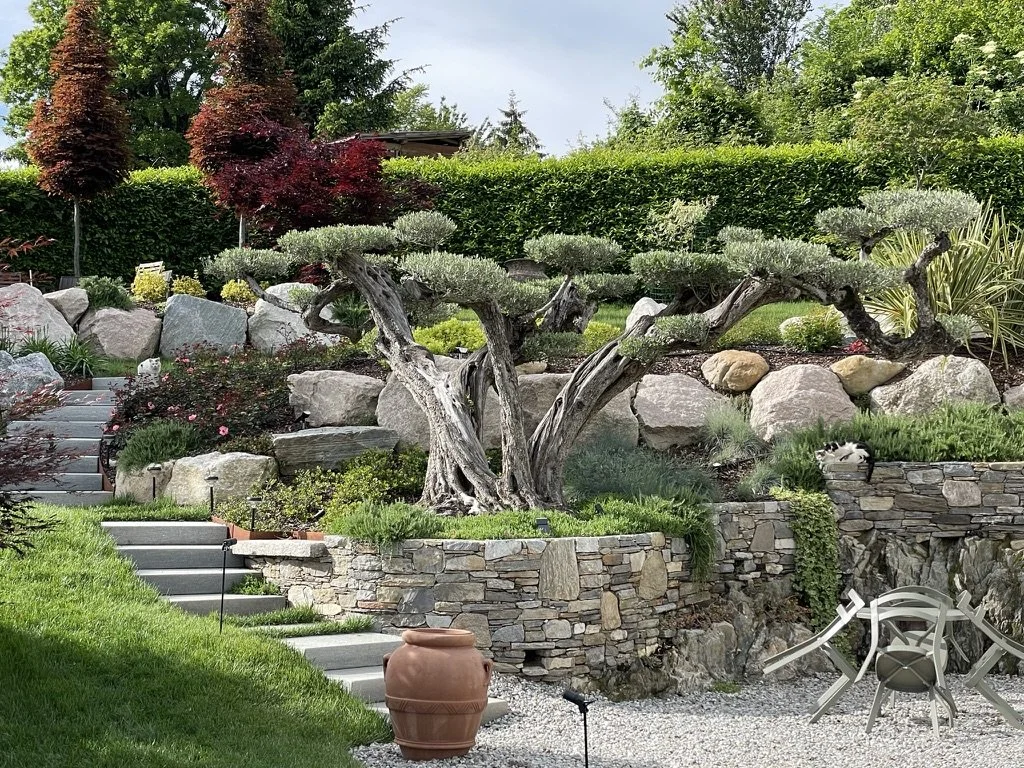
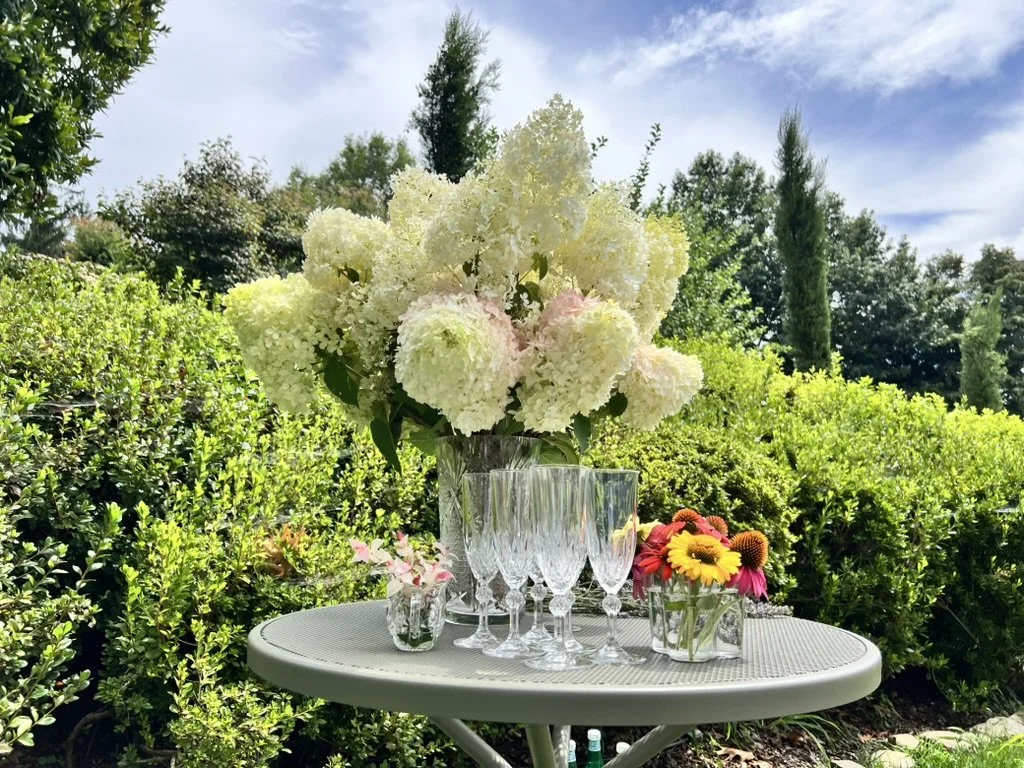
Gardens, paths, terraces, and open ground connect the three houses and define how the property is used day to day. Movement through the landscape is slow and informal — walking between houses, eating outdoors, sitting in shade, following light as it shifts across the garden and mountains.
The gardens have been developed gradually over time, with an emphasis on longevity and everyday use rather than display. They are places to live in: for meals, conversation, reading, rest, and quiet observation. There are no formal event spaces, and the landscape is not designed to accommodate crowds or staged occasions.
Care for the gardens is ongoing and considered. Use of outdoor spaces follows the same principle that guides the rest of the property: presence, respect, and a light footprint. The intention is not to preserve the gardens as something static, but to allow them to evolve naturally while remaining protected.
Outdoor life at the property is unstructured. Days tend to unfold according to weather, season, and mood, with the landscape quietly setting the rhythm.
Privacy & Setting
The property sits quietly within its mountain setting, surrounded by open land, forest, and gardens. The property is not part of a village and is not overlooked, allowing a strong sense of separation from the outside world.
Privacy here is not created through barriers, but through distance, landscape, and orientation. The approach through the pine forest, the placement of the houses, and the scale of the surrounding land all contribute to a feeling of enclosure without isolation.
This setting supports a way of being that is slower and more inward-looking. Conversations can extend without interruption. Time can pass without reference to schedules or external demands. The sense of quiet is physical as well as mental.
While secluded, the property remains connected to the wider region and accessible when needed. The balance between retreat and connection is part of what allows the property to be used comfortably for both small retreats and extended family stays.
Living at the property
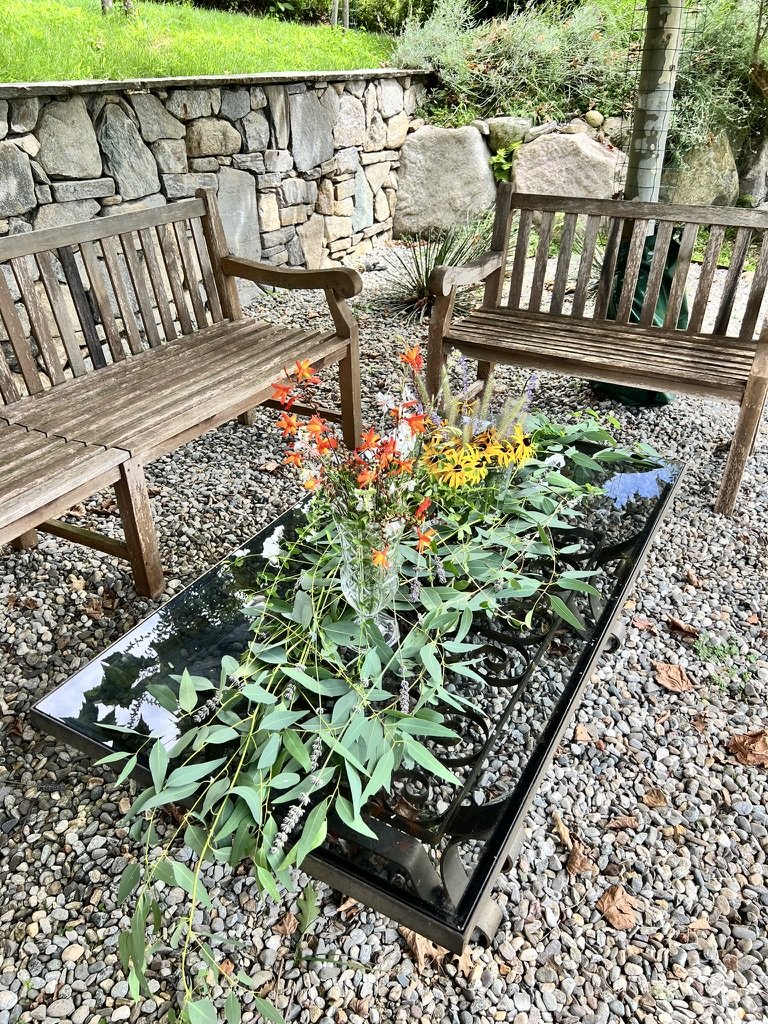
Living at the property is intentionally simple and unstructured.
The property is always offered as a whole and shared selectively. There is no fixed programme, and days are not shaped by schedules or activities. Time tends to organise itself around meals, conversation, rest, and being outdoors.
Services are intentionally limited. The property is not a hotel, and the experience is shaped less by what is provided and more by how the property is used. Guests are expected to care for the houses, gardens, and surroundings with the same respect they would give to a family place.
Stays work best for those who are comfortable with quiet, ease, and shared responsibility for the space. The rhythm of the property is defined by presence rather than pace, and by attention rather than activity.
The property is best suited to guests who value this way of being and who understand that the character of the place is something to be lived with, not adapted.